sehogi6860
554 posts
Dec 24, 2025
9:46 AM

|
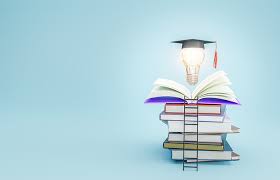
Education is one of the most powerful tools for personal growth and social development. It equips individuals with knowledge, skills, and values that enable them to navigate life, contribute meaningfully to society, and adapt to a rapidly changing world. From early childhood learning to higher education and lifelong learning, education plays a central role in shaping both individual destinies and the future of nations.
At its core, education is not limited to the transfer of information. It fosters critical thinking, creativity, and problem-solving abilities. Through education, individuals learn how to analyze information, question assumptions, and make informed decisions. These skills are essential in an era where information is abundant and change is constant. An educated population is better prepared to face global challenges such as technological transformation, climate change, and public health crises.
Education also promotes social equality and economic development. Access to quality education provides individuals with opportunities to improve their living standards and break cycles of poverty. Studies consistently show that higher levels of education are linked to better employment prospects, higher incomes, and improved health outcomes. On a national level, countries that invest in education tend to experience stronger economic growth, greater innovation, and increased social stability.
Beyond economic benefits, education plays a vital role in building ethical and responsible citizens. Schools and educational institutions help instill values such as respect, empathy, cooperation, and civic responsibility. Through exposure to diverse ideas and cultures, students develop tolerance and understanding, which are essential for peaceful coexistence in multicultural societies. Education encourages participation in democratic processes and empowers individuals to voice their opinions constructively.
In recent years, the nature of education has evolved significantly. Advances in technology have transformed how knowledge is delivered and accessed. Online learning platforms, digital classrooms, and artificial intelligence tools have expanded educational opportunities beyond traditional boundaries. These innovations make learning more flexible and accessible, especially for those in remote or underserved areas. However, they also highlight the importance of digital literacy and the need to address inequalities in access to technology.
Despite its many benefits, education systems around the world face numerous challenges. These include unequal access to resources, outdated curricula, teacher shortages, and gaps between education and labor market needs. Addressing these challenges requires collaboration among governments, educators, communities, and learners themselves. Continuous reform and investment are necessary to ensure that education remains relevant, inclusive, and effective.
Lifelong learning has become increasingly important in the modern world. As industries evolve and new professions emerge, individuals must continuously update their skills and knowledge. Education is no longer confeducationngr.comined to childhood or formal institutions; it is a lifelong process that supports personal fulfillment and professional adaptability.
In conclusion, education is a cornerstone of human development and societal progress. It empowers individuals, strengthens communities, and drives innovation. By prioritizing quality, accessibility, and inclusivity in education, societies can build a more equitable, informed, and resilient future. Investing in education is ultimately an investment in humanity itself.
|




