thacoids
44 posts
Dec 17, 2025
5:23 PM

|
In the ever-evolving landscape of mechanical engineering and supporting industries, cost optimization and efficiency enhancement remain paramount. Companies are continually seeking innovative solutions to manufacture and assemble parts that not only meet industry standards but also significantly reduce production costs. By leveraging advanced technologies and streamlined processes, businesses can achieve a competitive edge. This blog explores effective strategies that can help organizations in the mechanical engineering sector optimize costs while improving the overall effectiveness of their manufacturing and assembly operations.
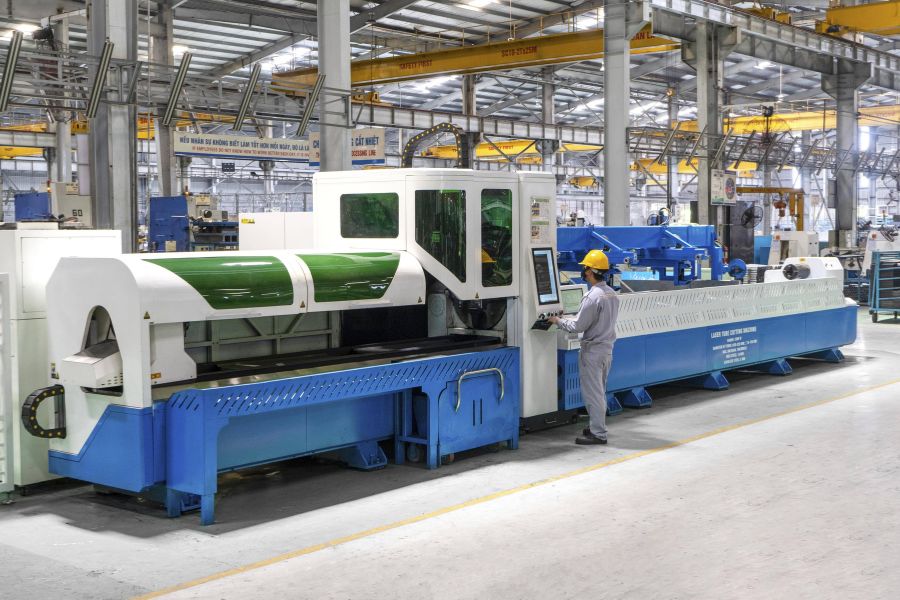
See Article Details At: manufacture and assembly of parts
Understanding the Manufacturing Process
To achieve cost optimization and efficiency, it's essential to comprehend the entire manufacturing process. This includes several key stages:
View At: Manufacture and Assembly of Parts That Add Value

- Design and Prototyping: Developing precise designs using advanced CAD software can save both time and resources. Prototyping allows for early detection of design flaws, which can lead to costly revisions if overlooked.
- Material Selection: Choosing the right materials is crucial. Lightweight and durable materials can reduce production costs and improve product performance.
- Production Techniques: Implementing modern manufacturing techniques such as additive manufacturing (3D printing) and CNC machining can streamline production, minimize waste, and enhance product quality.
Efficient Assembly Techniques
Once parts are manufactured, efficient assembly techniques play a critical role in reducing labor costs and increasing throughput. Here are some effective assembly strategies:
Reference: Latest Trends and Future Predictions in Parts Manufacture & Assembly

- Standardization: Standardizing parts and components can significantly reduce assembly time and costs. It simplifies the assembly process and allows for easier training of workers.
- Automation: Incorporating automation in assembly lines can enhance speed and accuracy. Robotic systems can perform repetitive tasks with precision, reducing the likelihood of errors.
- Lean Manufacturing: Adopting lean manufacturing principles can eliminate waste and improve operational efficiency. This involves continuous assessment of processes to identify areas for improvement.
Implementing Quality Control Measures
Quality control is an integral part of manufacturing and assembly that should not be overlooked. Implementing robust quality control measures can lead to significant cost savings in the long run:
See More At: FAQs on Manufacture and Assembly of Parts in Mechanical Engineering
- Regular Inspections: Conducting frequent inspections during production helps catch defects early, preventing costly rework and ensuring that only high-quality products reach customers.
- Continuous Improvement: Establish a culture of continuous improvement by encouraging feedback from employees. This can help identify bottlenecks and inefficiencies in the manufacturing process.
- Training and Development: Investing in employee training ensures that workers are well-equipped to perform their tasks efficiently and maintain high-quality standards.
Leveraging Technology for Cost Savings
Technology plays a pivotal role in optimizing costs and improving efficiency in manufacturing and assembly:
- Enterprise Resource Planning (ERP) Systems: Utilizing ERP systems can streamline operations by centralizing data management, which enhances decision-making and resource allocation.
- Data Analytics: Employing data analytics can provide insights into production performance, helping identify trends and areas for improvement.
- Internet of Things (IoT): IoT devices can monitor equipment performance in real-time, allowing for predictive maintenance that reduces downtime and repair costs.
Collaborating with Supply Chain Partners
Effective collaboration with supply chain partners can lead to significant cost savings and operational efficiencies:
- Supplier Relationships: Building strong relationships with suppliers can lead to better pricing, reliable material supply, and collaborations on new materials or technologies.
- Just-in-Time Inventory: Implementing a just-in-time inventory system can minimize storage costs and reduce waste by ensuring materials arrive only as needed.
- Shared Technology: Collaborating on technology initiatives with suppliers can foster innovation and lead to shared cost savings through joint development projects.
Conclusion and Call to Action
In conclusion, optimizing costs and enhancing efficiency in the manufacture and assembly of parts within the mechanical engineering sector requires a multifaceted approach. By understanding the manufacturing process, employing efficient assembly techniques, implementing quality control measures, leveraging technology, and collaborating with supply chain partners, organizations can not only achieve significant cost reductions but also improve product quality and overall competitiveness. Now is the time to evaluate your current processes and consider adopting these strategies to stay ahead in the industry. Are you ready to take the next step toward optimizing your manufacturing and assembly operations? With strong engineering capabilities and modern production facilities, THACO Industries delivers reliable OEM manufacturing services tailored to diverse industries. Partner with THACO Industries for a comprehensive OEM manufacturing service in Vietnam, from product design and precision fabrication to final assembly, testing, and integrated logistics.
#manufacture_and_assembly_of_parts, #manufactureandassemblyofparts, #THACO_Industries, #THACOIndustries, #THACO_Industries
|