sehogi6860
518 posts
Dec 09, 2025
4:28 AM

|
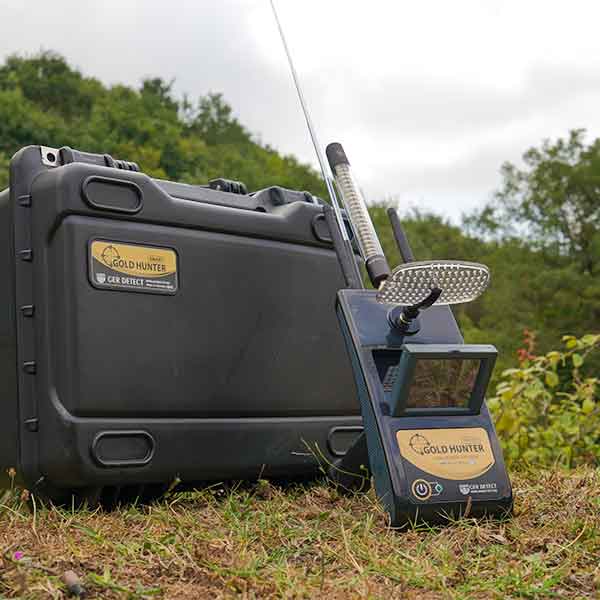
Gold has fascinated humans for centuries, driving exploration, adventure, and the pursuit of wealth. While mining and panning for gold are traditional methods, modern technology has brought a revolutionary tool to treasure hunters and hobbyists alike: the gold detector.
What is a Gold Detector?
A gold detector is an electronic device designed to locate gold deposits in the ground. Using electromagnetic fields, these devices can sense metallic objects buried underground, making it easier to pinpoint gold nuggets, coins, or jewelry without extensive digging.
How Do Gold Detectors Work?
Gold detectors operate on the principle of electromagnetic induction. When the detector’s coil emits a magnetic field, it induces small electric currents in metallic objects beneath the surface. These currents generate their own magnetic fields, which are detected by the machine, alerting the user to the presence of metal. Advanced models can even distinguish between different types of metals, helping hunters identify gold specifically.
Key Features to Consider
Detection Depth: The ability to detect gold at various depths varies between models. Professional detectors can locate deep nuggets, while hobbyist models are best for shallow searches.
Discrimination Settings: Modern detectors can differentiate between gold, silver, and other metals, reducing unnecessary digging.gold detector
Portability and Weight: Lightweight and ergonomic designs make it easier to search for long periods without fatigue.
Sensitivity Adjustment: Adjusting sensitivity helps detect smaller gold pieces without interference from mineralized soil.
Types of Gold Detectors
VLF (Very Low Frequency) Detectors: Ideal for small gold nuggets in mineralized soil.
Pulse Induction Detectors: Effective in salty or mineral-rich soils and capable of detecting larger gold pieces at greater depths.
Multi-Frequency Detectors: Combine multiple frequencies to provide versatility across different terrains.
Tips for Successful Gold Hunting
Research Your Location: Learn about known gold-bearing areas to increase your chances of success.
Check Soil Conditions: Some detectors perform better in certain soil types.
Practice Proper Technique: Sweep slowly and steadily, keeping the coil close to the ground.
Maintain Your Equipment: Regular maintenance ensures longevity and optimal performance.
Conclusion
Gold detectors have transformed treasure hunting from a labor-intensive endeavor into an exciting hobby that combines adventure, science, and skill. Whether you’re a professional miner or a weekend hobbyist, investing in a quality gold detector can unlock the thrill of discovery and potentially unearth hidden treasures beneath your feet.
|




