Auto Body Parts Suppliers: Innovations Driving the Future of Automotive Manufacturing
Introduction
The automotive industry is rapidly evolving, driven by electrification, autonomous vehicles, and sustainability requirements. Auto body parts suppliers in Mechanical Engineering & Supporting Industries are at the forefront of this transformation, delivering innovative solutions that enhance vehicle safety, aesthetics, and performance.
Xem Chi Tiet Bai Viet Tai: material handling equipment manufacturers
Technological Trends Shaping the Industry
Suppliers are adopting advanced technologies to meet modern vehicle demands:
Xem Tai: Built for Productivity

Lightweight Materials – Aluminum, high-strength steel, and carbon fiber reduce vehicle weight while maintaining structural integrity, supporting fuel efficiency and EV performance.
Tham Khao Them Tai: Auto Body Parts Suppliers: Innovations Driving the Future of Automotive Manufacturing
Advanced Coatings and Finishes – Eco-friendly paints and corrosion-resistant coatings improve durability and aesthetics.
Xem Tai: Automotive Parts Manufacture: Trends Shaping the Future of Mechanical Engineering
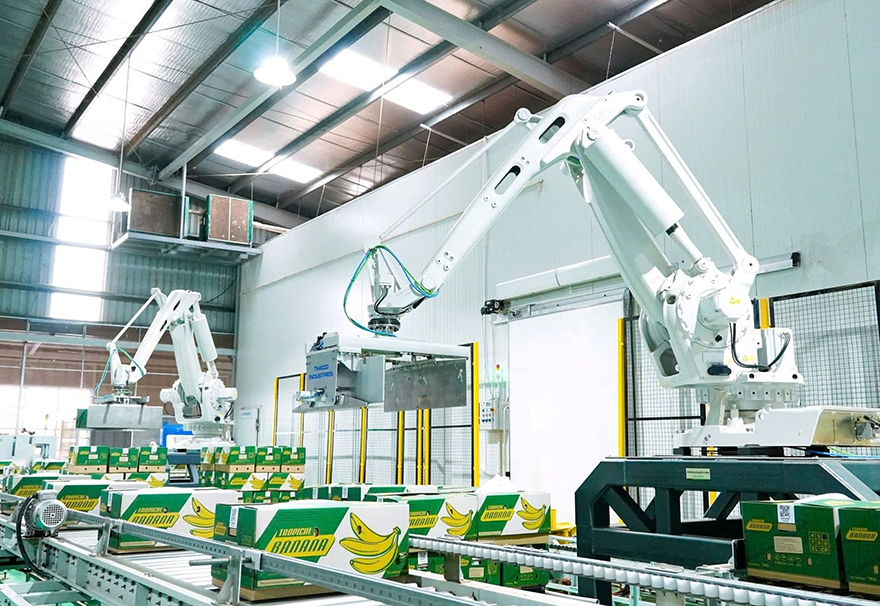
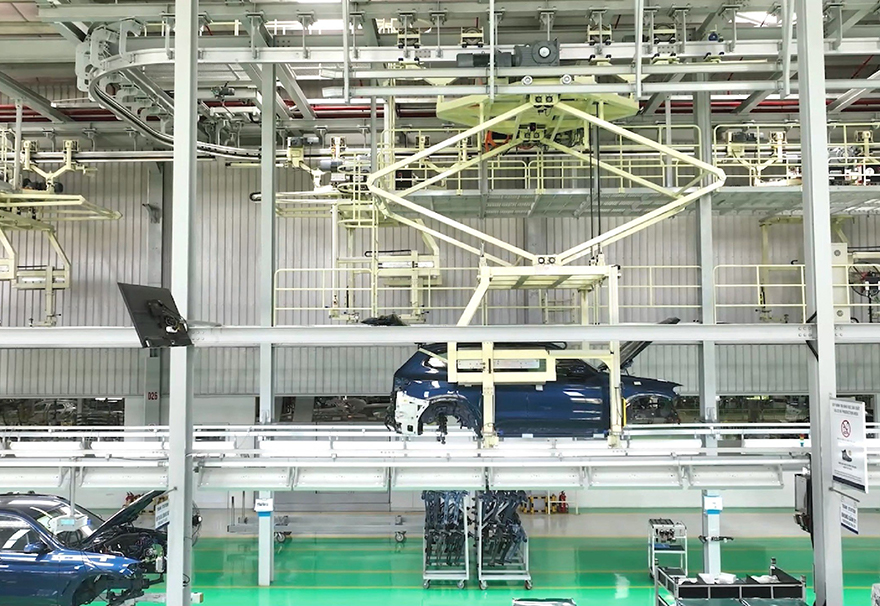
Automation and Robotics – Robotic welding, stamping, and assembly increase precision, efficiency, and consistency in production.
3D Printing and Additive Manufacturing – Rapid prototyping and low-volume production allow suppliers to create complex parts with reduced lead times.
Smart Manufacturing – Integration of IoT, sensors, and AI-driven monitoring ensures quality control, predictive maintenance, and optimized operations.
These trends allow suppliers to provide high-quality, reliable components that meet evolving automotive standards.
Importance in Mechanical Engineering & Supporting Industries
Auto body parts suppliers play a critical role in:
Vehicle Safety – Structural components absorb impact and protect occupants.
Operational Efficiency – Reliable supply chains ensure just-in-time delivery and seamless production lines.
Cost Management – Efficient manufacturing reduces waste, rework, and overall production costs.
Aesthetic Quality – Exterior panels, trims, and finishes define brand identity and customer appeal.
Sustainability – Adoption of eco-friendly materials and processes reduces environmental impact.
By aligning engineering expertise with advanced manufacturing, suppliers drive innovation and operational excellence.
Challenges and Opportunities
Suppliers face several industry challenges:
Complex Supply Chains – Global sourcing of raw materials and components requires careful coordination.
Technological Adaptation – Integrating new materials, robotics, and digital systems requires investment and skilled personnel.
Regulatory Compliance – Meeting safety, emissions, and environmental regulations is essential.
Customization Demand – OEMs and aftermarket clients require tailored solutions with precise specifications.
These challenges create opportunities for suppliers to differentiate themselves through innovation, flexibility, and technical expertise.
Future Outlook
The future of auto body parts suppliers includes:
Electrification & EV Components – Lighter, battery-compatible panels and structures.
Autonomous Vehicle Integration – Parts designed for sensors, cameras, and smart vehicle systems.
Sustainable Manufacturing – Energy-efficient production, recyclable materials, and low-emission technologies.
Digital and Smart Production – AI-driven quality control, predictive maintenance, and connected factories.
Global Collaboration – Suppliers working closely with OEMs worldwide to standardize quality and accelerate innovation.
Suppliers who embrace these trends will remain competitive and influential in shaping the automotive industry.
Conclusion
Auto body parts suppliers are essential drivers of innovation in Mechanical Engineering & Supporting Industries. By adopting lightweight materials, automation, smart manufacturing, and sustainable practices, suppliers ensure high-quality, safe, and aesthetically pleasing components for modern vehicles.
The industry’s future will be defined by suppliers who combine technological innovation with operational excellence, enabling the automotive sector to meet evolving consumer, regulatory, and environmental demands. Thaco Industries affirms its pioneering position through strategic vision, a highly skilled workforce, and an integrated industrial ecosystem. These factors create sustainable competitive advantages and reinforce the company’s reputation on the international stage.
#material_handling_equipment_manufacturers, #materialhandlingequipmentmanufacturers, #Thaco_Industries, #ThacoIndustries, #Thaco_Industries
|